UV-curable coatings and adhesives are typically solvent-free liquids that turn solid within seconds under UV light. They let manufacturers replace drying ovens and long clamping times with a short exposure, on substrates from paper and film to wood, plastics, metal and glass.
What is cured
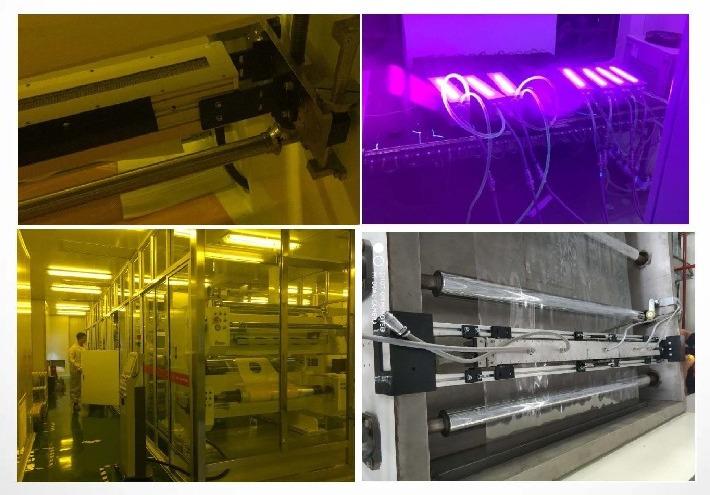
- Film coating: hard coats, protective and functional layers on plastic films, cured with lamps mounted across the moving web.
- Wood and furniture: sealers, lacquers and topcoats on panels and solid wood furniture, often with water-cooled lamps.
- Packaging and labels: adhesives, varnishes and lacquers on board, film and labels.
- Plastic and metal parts: decorative and protective coatings, and bonding of parts and trims.
- Glass: bonding of glass to glass and to metal, for example in furniture, displays and instruments.
- Electronics: conformal coatings that protect boards against moisture and vibration, and adhesives for components.
- Wire harnesses and cables: bonding and sealing cable ends, connectors and USB plugs so they resist pull-out and flexing.
- Medical consumables: curing adhesives and coatings during manufacture. See Medical devices.
Why UV LED suits coatings and adhesives
Less energy, no warm-up. LEDs convert electrical power into UV light in a narrow band and switch off whenever no part is under the lamp. There is no warm-up and no standby burn.
Low heat. LED lamps emit no infrared, so films, plastics and wood see far less heat than under a mercury lamp. That reduces warping and dimensional change in thin or heat-sensitive parts.
No mercury, no ozone. LED sources contain no mercury and produce no ozone, so no exhaust ducting is needed and lamp disposal is simpler.
Long life. An LED source lasts tens of thousands of hours, many times longer than a mercury bulb, which cuts lamp replacement and maintenance.
Choosing a system
- Chemistry. Check that the coating or adhesive is formulated for LED curing and note its wavelength, typically 365, 385, 395 or 405 nm. Materials designed only for broad-spectrum mercury lamps may stay tacky on the surface under LEDs.
- Part size and flow. Batches of parts suit an oven or a flood source over a fixture. Continuous production suits a conveyor, or a linear or area source mounted across a line or web.
- Thickness and pigment. Thick, filled or pigmented layers absorb light before it reaches the bottom of the layer. Longer wavelengths such as 395 or 405 nm penetrate further, and a higher dose may be needed.
- Irradiance, dose and speed. Take the required dose from the data sheet. On a conveyor, the dose falls as belt speed rises, so match lamp output to the throughput you need.
- Cooling and environment. Fan-cooled sources are simple to install. Water-cooled sources deliver higher irradiance and suit fast lines and wide formats.
Recommended systems
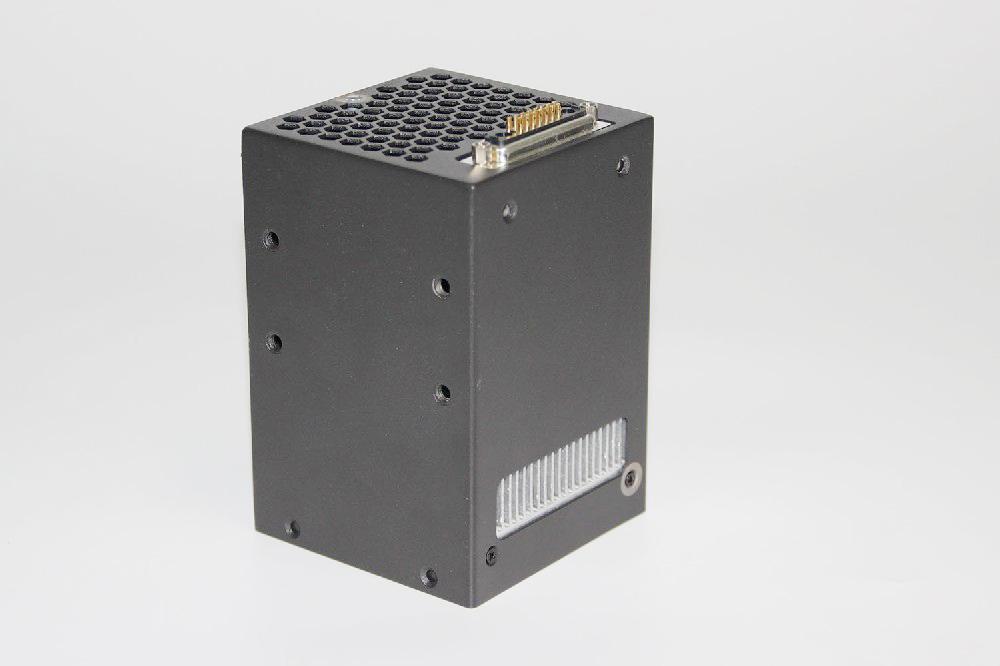
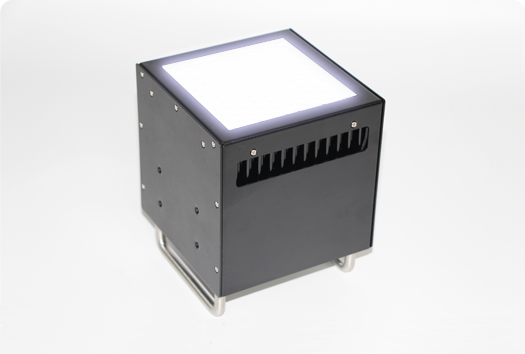
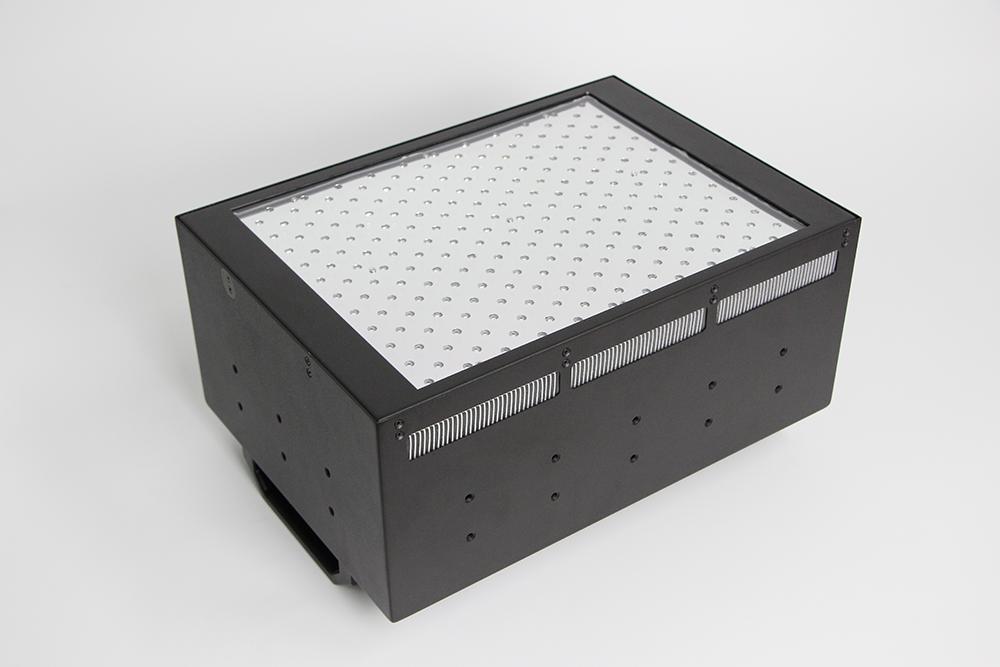
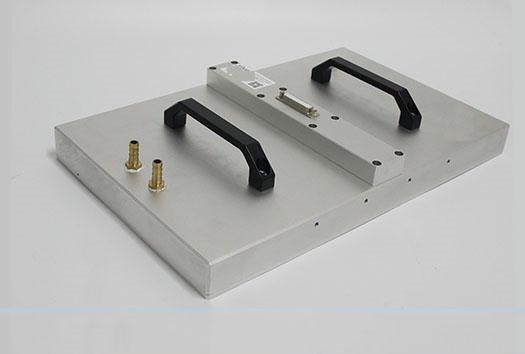
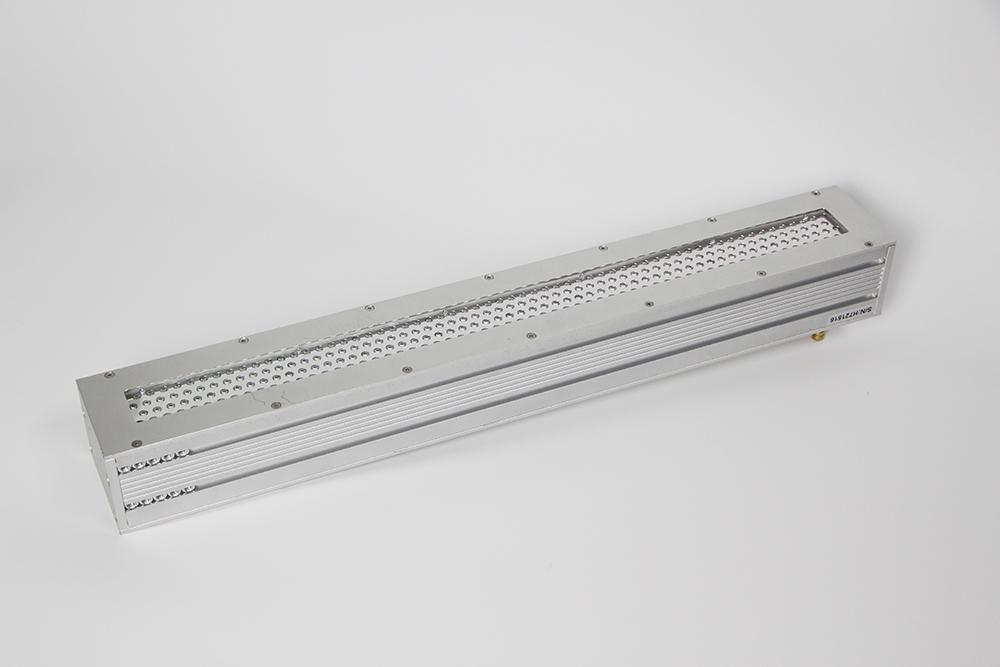
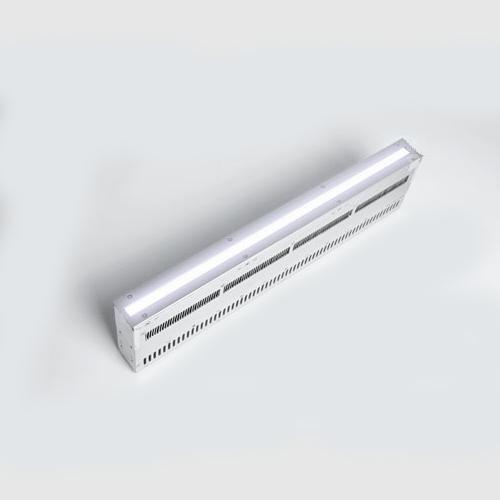
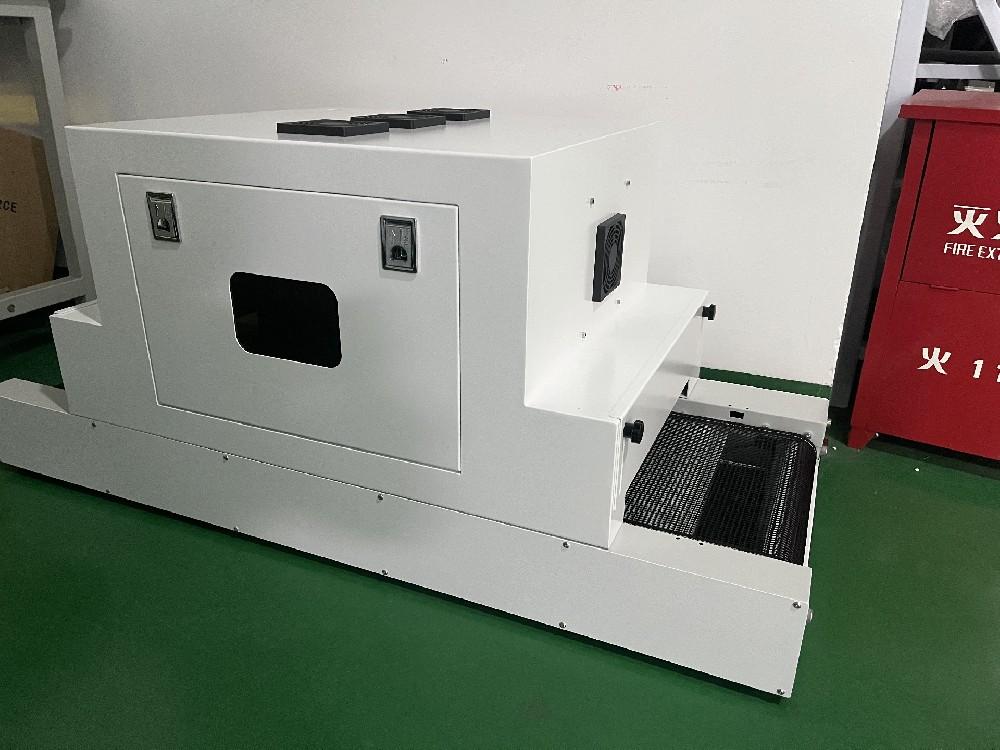
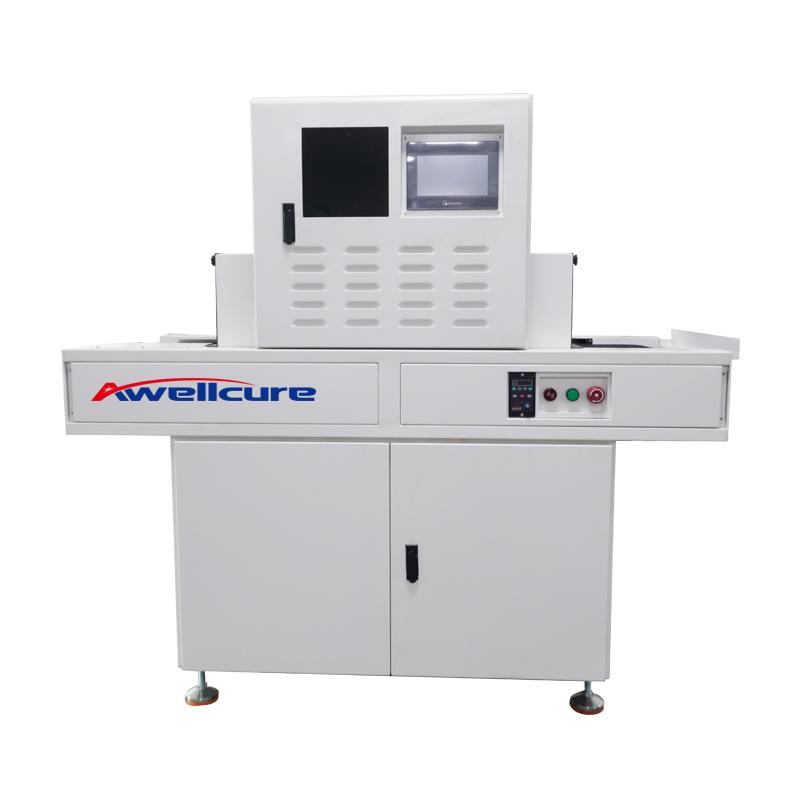
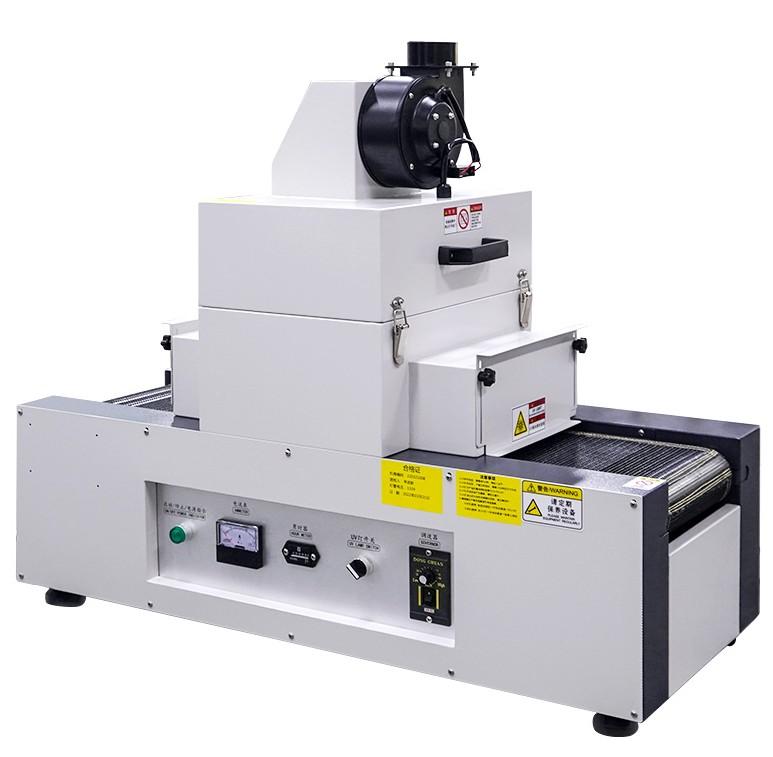
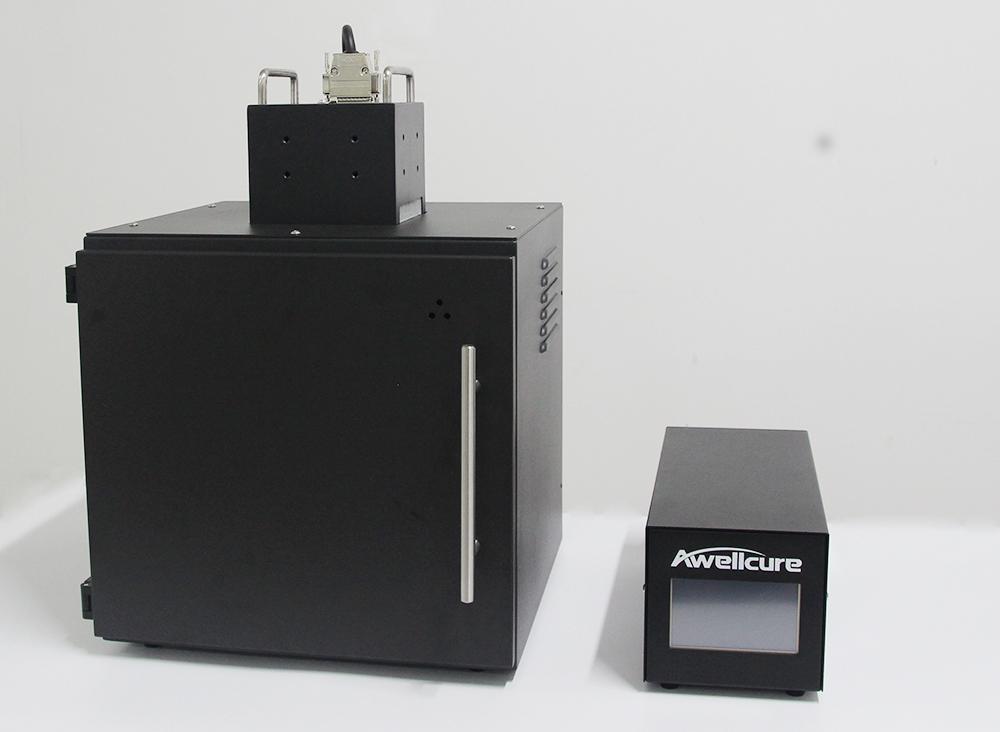
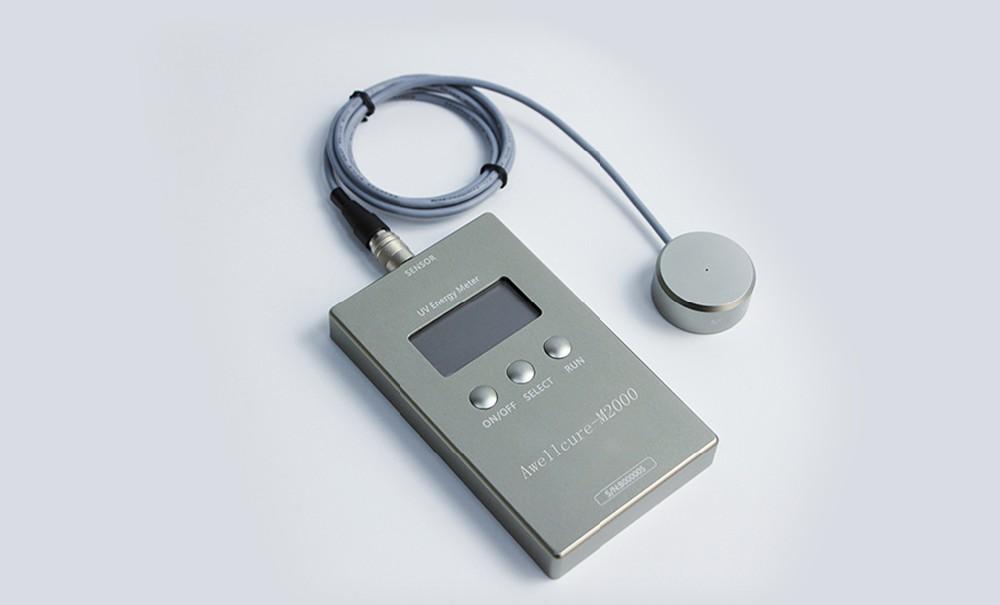
For parts and fixtures, the fan-cooled UV LED Area sources cover areas from 60 × 60 mm to 200 × 300 mm, and the water-cooled versions reach 6 to 25 W/cm² for fast lines. A UV LED Linear source cures across a moving web. UV Conveyor systems run continuous production, including a 400 mm belt model with a mercury lamp for broad-spectrum materials, and a UV Curing Oven handles batches and samples. Verify the dose with a UV Radiometer. The flood curing guide explains how to size an area source.